
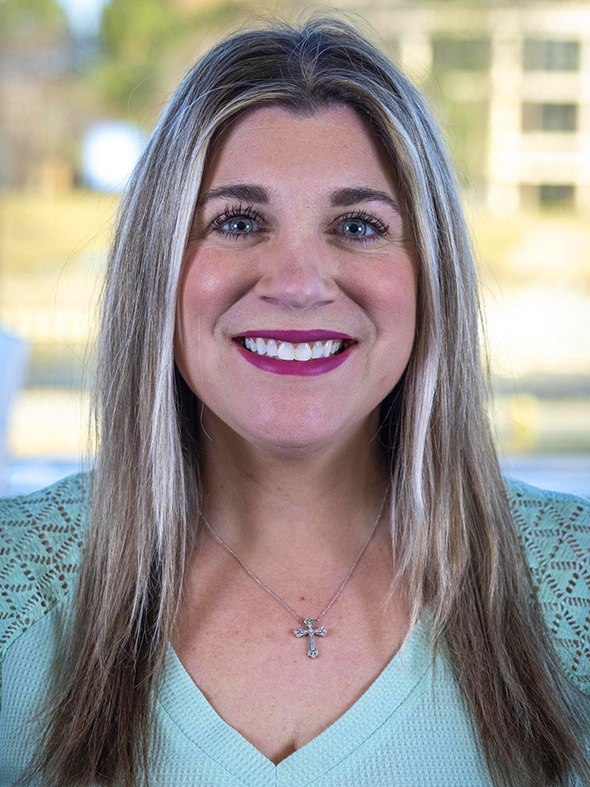
When Krystal Tosch joined U-M Flint as a Digital Accessibility Analyst in March, she immediately began tackling accessibility across the campus’s web presence. In just a few months, her leadership and collaboration improved Flint’s website accessibility by removing the majority of barriers and more than doubling the accessibility score.
Using the ITS Accessibility Scanning Service to scan, track, and prioritize accessibility issues, Krystal partnered with developers to implement template-level fixes, while also collaborating with the Marketing and Communications team to resolve content-level problems. She paired these improvements with bi-weekly training sessions for communication specialists on essentials like writing descriptive links, structuring headings, and adding alt text.
The results:
- Students with and without disabilities can more easily access essential academic and campus information.
- Faculty and staff now have more explicit guidance and resources to support best practices in accessibility.
- A more inclusive and user-friendly website reflects U-M Flint’s commitment to equity and belonging.
- Regular updates and collaboration build momentum and accountability, helping shift campus culture toward accessibility as a shared responsibility.
U-M Flint’s experience highlights a key lesson: sustainable progress happens when technical fixes and cultural change go hand in hand. By embedding accessibility into daily workflows and celebrating visible results, the team is building a campus culture where accessibility is seen not as an add-on, but as essential to equity and belonging.